Seminar: 'Energy Security - A Pillar of National Security in the Context of Non-Traditional Security Risks'

Thematic Seminar
Seminar: “Energy Security – A Pillar of National Security in the Context of Non-Traditional Security Risks”
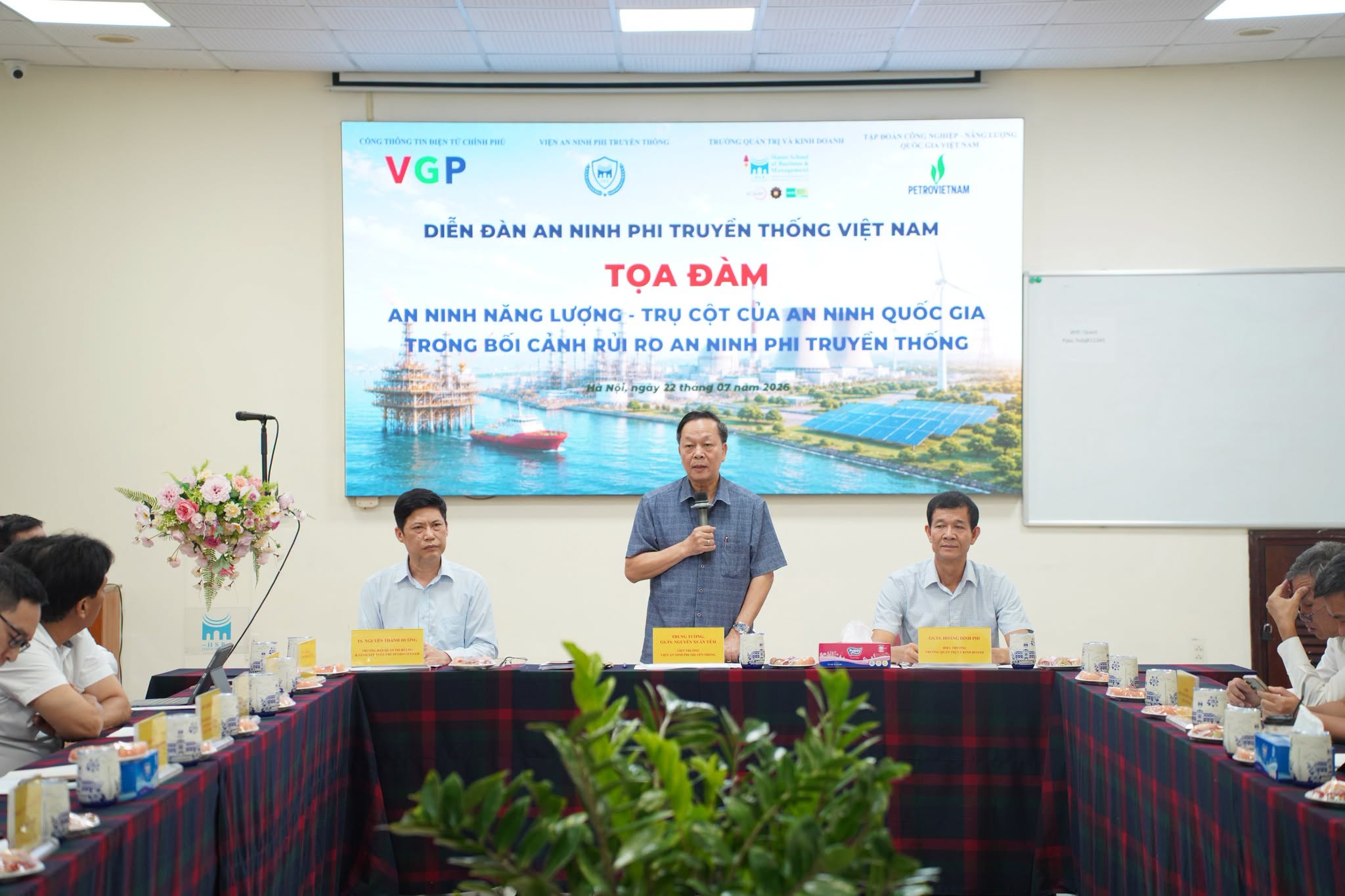
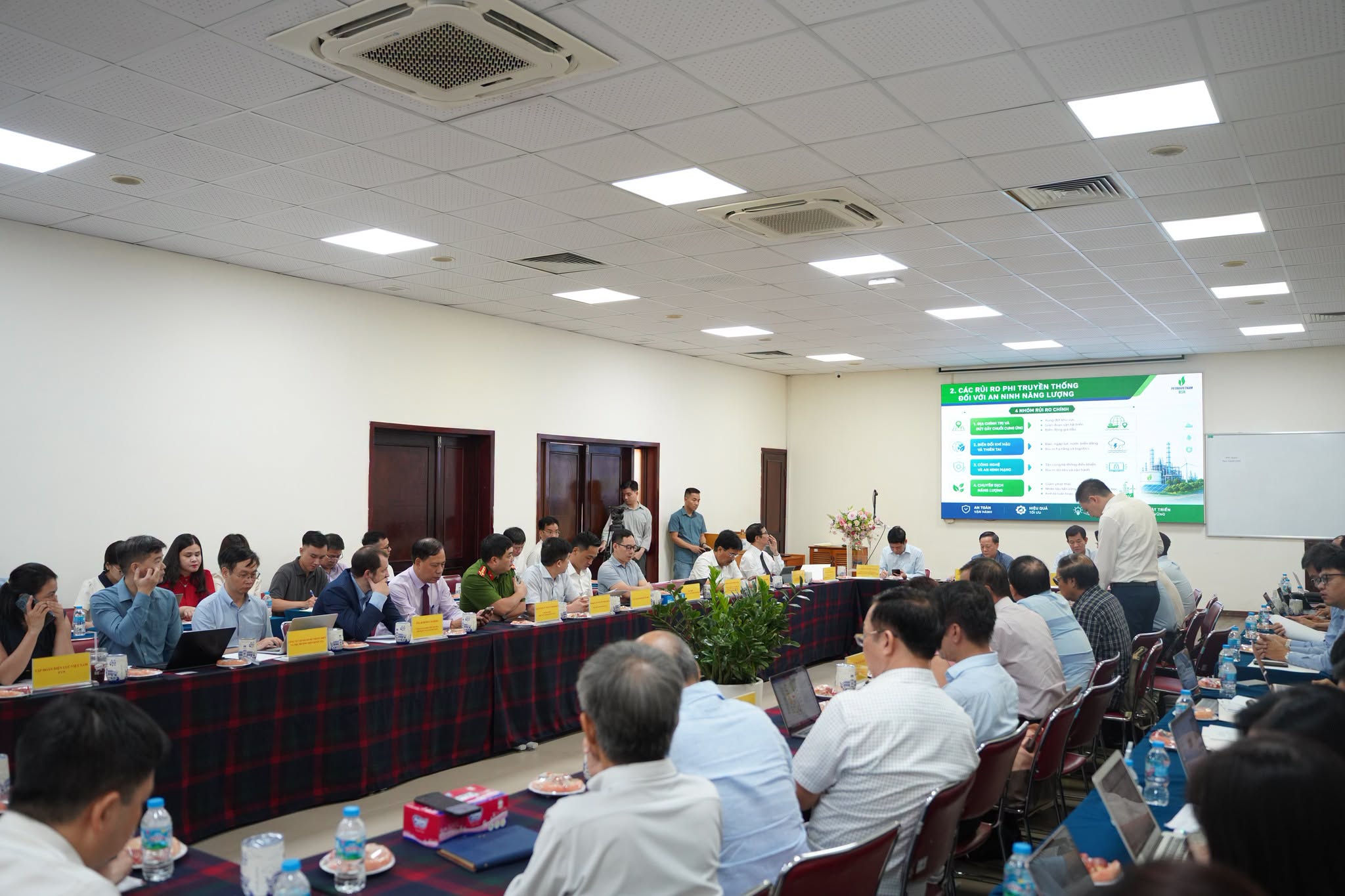
On the morning of July 22, the Institute of Non-Traditional Security, HSB, VNU, Hanoi, in collaboration with the Government Information and Communications Department and the Vietnam National Oil and Gas Group (Petrovietnam), organized the seminar “Energy Security – A Pillar of National Security in the Context of Non-Traditional Security Risks” to identify risks and challenges and propose solutions to enhance energy security capabilities.
Energy is the foundation of economic development, national defense, and security.
Dr. Nguyen Thanh Huong, Head of Risk Management and Compliance Supervision Board, Vietnam National Oil and Gas Group (Petrovietnam), stated that factors such as geopolitical conflicts, supply chain disruptions, climate change, technological competition, cyberattacks, and energy transition are simultaneously posing significant challenges to the energy security of each nation.
For the energy sector and Petrovietnam, security must be integrated from the stages of strategy formulation, investment, and technology selection to operational organization. Development must be accompanied by security assurance; infrastructure expansion must go hand in hand with backup and recovery capabilities; digital transformation must be linked to the protection of control systems, data, and cyberspace; and integration must be coupled with self-reliance and the protection of national interests.
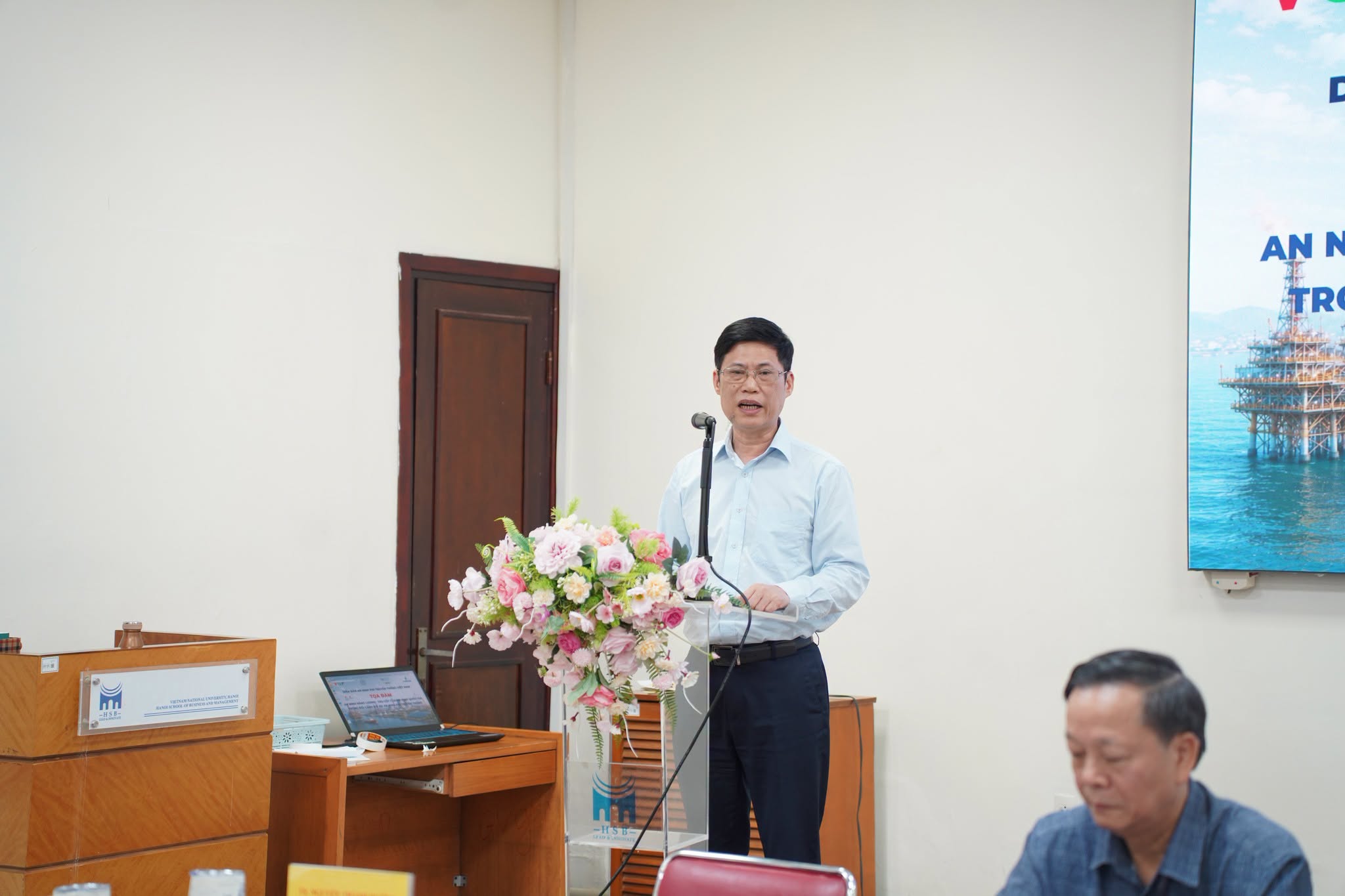
Development must be accompanied by security assurance; infrastructure expansion must go hand in hand with backup and recovery capabilities; digital transformation must be linked to the protection of control systems, data, and cyberspace.
At the same time, energy security is closely linked to economic, financial, technological, cyber, data, environmental, and human security. An incident at one link can quickly spread throughout the entire system.
Geopolitical conflicts, disruptions to maritime routes, and technological competition are increasing risks related to supply, transportation costs, insurance, and dependence on essential equipment, components, minerals, software, and core technologies.
Mr. Do Manh Binh, Deputy General Director of PetroVietnam Oil Corporation (PVOIL), emphasized that in the new context, energy security is not merely about having sufficient petroleum or reserve capacity. More importantly, it is the ability to maintain a continuous, safe, flexible energy flow at a reasonable cost in all situations.
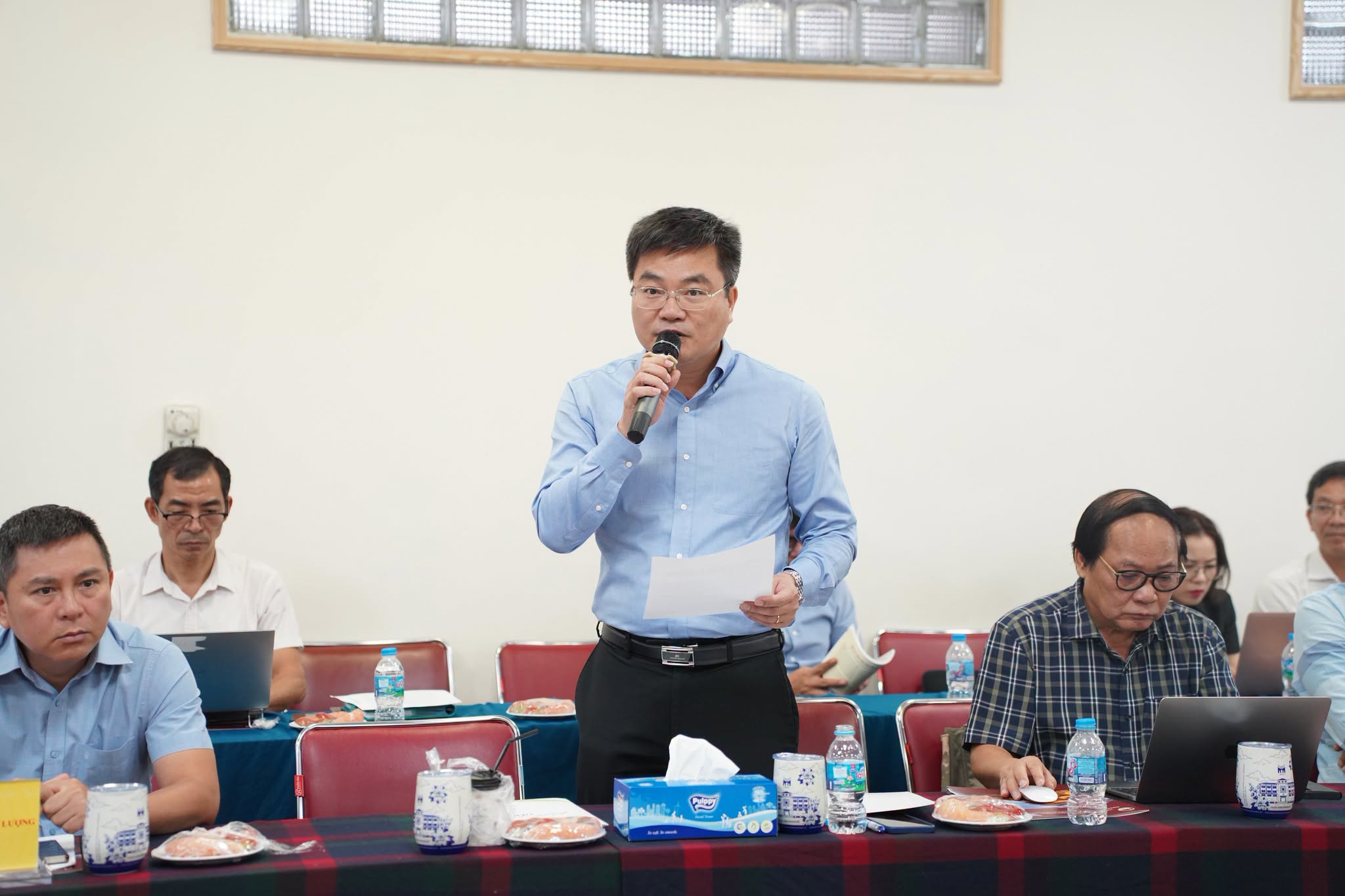
Mr. Binh pointed out that in reality, the market might not lack supply on a national scale, but local shortages can still occur if transportation routes are cut off, seaports cease operations, operating systems encounter malfunctions, or goods fail to reach the right place at the right time.
Elite Training to Address the Energy Security Challenge
Delivering the opening remarks at the seminar, Prof. Dr. Hoang Dinh Phi, Rector of HSB, emphasized: Energy security not only directly impacts human security but is also closely linked to economic security, cybersecurity, and national security.
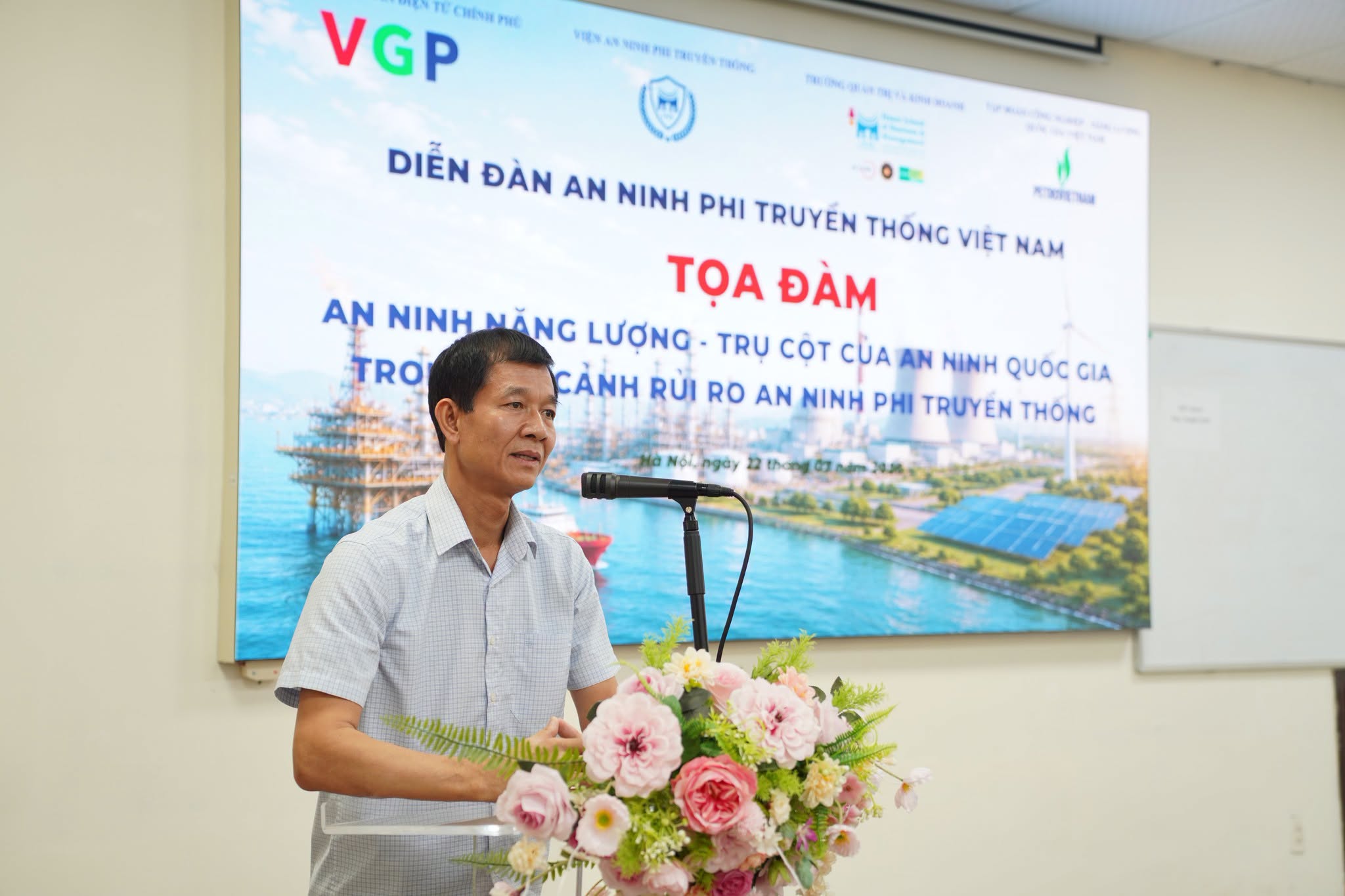
The increasingly complex interconnections among these fields necessitate a holistic, interdisciplinary, and risk-management-based approach.
The seminar's greatest expectation is to clarify immediate and long-term risks to Vietnam's energy security, thereby proposing risk management solutions and strategies for regulatory agencies, corporations, general companies, and units within the energy sector.
Consequently, the seminar aims to propose feasible solutions, contributing to enhancing strategic management capacity, ensuring energy security, fostering sustainable national development, and achieving growth targets in the coming period.
Regarding the role of education and training in the energy security challenge, Prof. Dr. Hoang Dinh Phi emphasized that the foundation of sustainable economic development must be built upon higher education.
Accordingly, in Vietnam's higher education development strategy for the next 10 years, higher education must be identified as a crucial foundation for training generations of engineers, specialists, technicians, managers, and leaders, thereby meeting the requirements for achieving national development goals, including Resolution 57 and Resolution 71.
Training High-Quality Human Resources for the Energy Sector
In connection with the energy security challenge, Prof. Dr. Hoang Dinh Phi stated that Vietnam must train a high-quality team of leaders, managers, engineers, and specialists. Without elite universities and talented personnel, it is impossible to develop the energy sector or ensure energy security.
“This field requires elite, talent-focused training, not mass training. Concurrently, there must be a very close combination of top-tier training and cutting-edge scientific research.”Prof. Dr. Hoang Dinh Phi
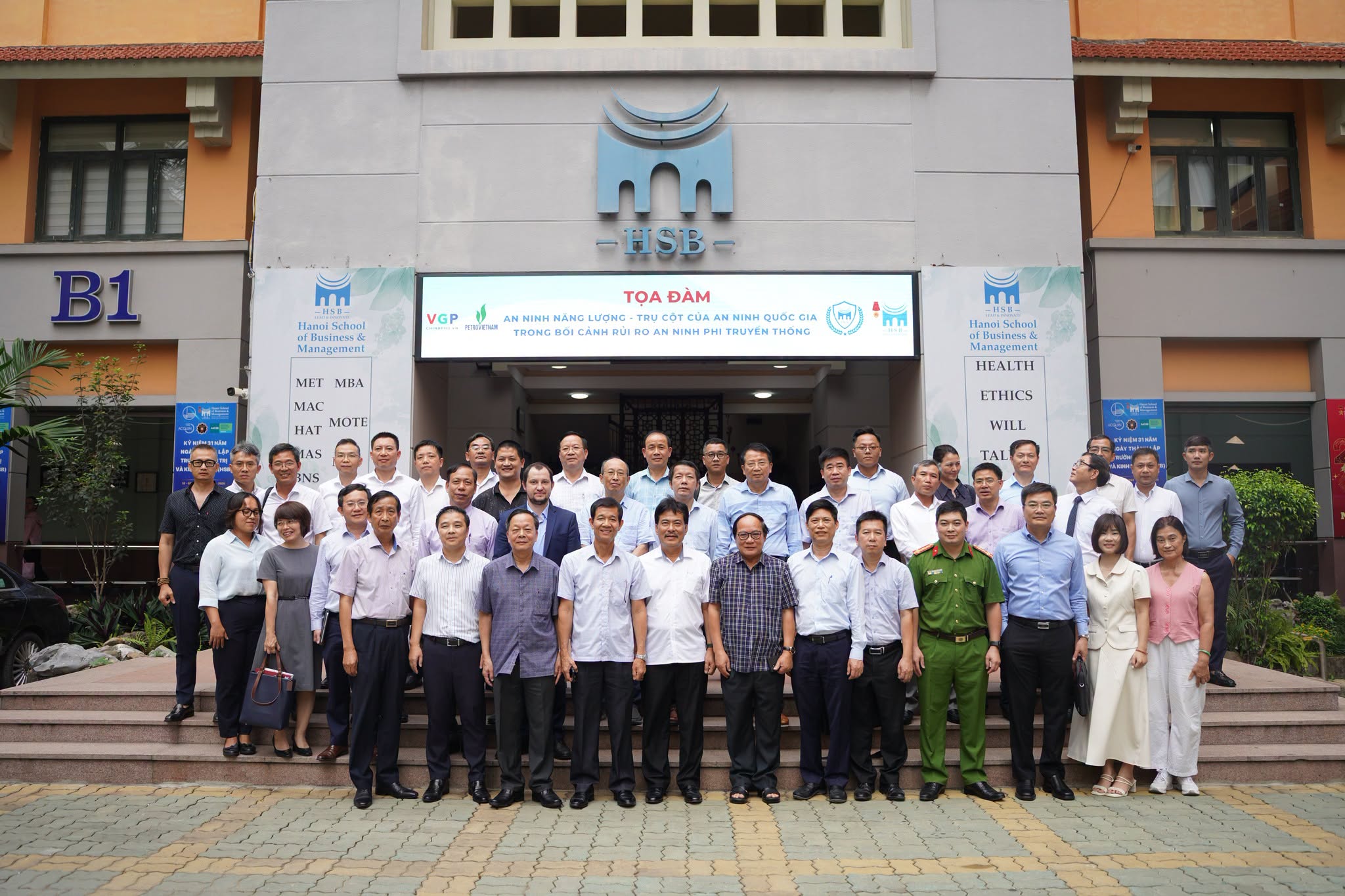
Below are some images from the 31st Anniversary Program of the Establishment of HSB.